US Reasserts 2025 Strikes 'Obliterated' Iran's Nuclear Programme
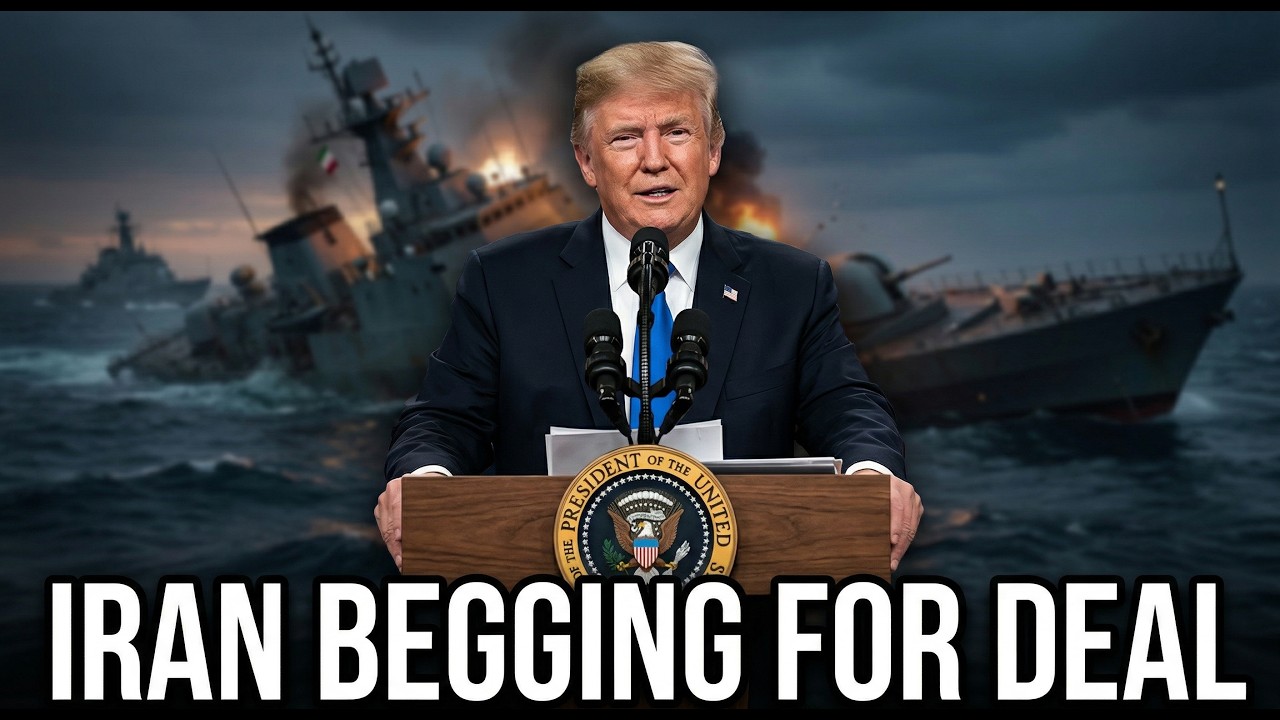
The White House has reaffirmed that the 2025 strikes against **Iran**'s nuclear facilities, known as **Operation Midnight Hammer**, were successful in destroyin
Summary
The White House has reaffirmed that the 2025 strikes against **Iran**'s nuclear facilities, known as **Operation Midnight Hammer**, were successful in destroying the country's nuclear programme. However, this claim is contradicted by a senior **Trump** aide, who stated that **Iran** is only a week away from having material for a nuclear bomb. The situation is further complicated by the fact that **IAEA** inspectors have not been able to assess **Iran**'s nuclear sites since the US strikes. The **US** and **Iran** are set to hold the third round of negotiations this year to push for a nuclear deal, with **Iran** seeking to agree to minimal uranium enrichment under strict **IAEA** supervision in exchange for lifting sanctions against its economy. For more information on the **Iran nuclear deal**, visit [[iran-nuclear-deal|Iran Nuclear Deal]]. The **US** has amassed military assets near **Iran**, and tensions have spiralled since **Israeli Prime Minister Benjamin Netanyahu**'s visit to the **US** in December. The **Pentagon**'s public assessment is that the Iranian nuclear programme was set back by one to two years. To learn more about the **Pentagon**'s role in the region, visit [[pentagon|Pentagon]]. The **US** is seeking zero enrichment, while **Iran** denies seeking a nuclear weapon. For an in-depth analysis of **Iran**'s nuclear programme, visit [[iran-nuclear-programme|Iran Nuclear Programme]].
Key Takeaways
- The US struck Iran's nuclear facilities in June 2025
- The US claims that the strikes destroyed Iran's nuclear programme
- IAEA inspectors have not been able to assess Iran's nuclear sites since the US strikes
- The US and Iran are engaged in negotiations, but the outcome is uncertain
- The potential for escalation is high
Balanced Perspective
The situation is complex, with multiple parties involved, including **Israel**, **Iran**, and the **US**. The **US** strikes against **Iran**'s nuclear facilities may have been successful, but the lack of access to **Iran**'s nuclear sites by **IAEA** inspectors raises concerns about the accuracy of the information. The **US** and **Iran** are engaged in negotiations, but the outcome is uncertain. For a detailed analysis of the negotiations, visit [[us-iran-negotiations|US-Iran Negotiations]]. The **US** is seeking zero enrichment, while **Iran** denies seeking a nuclear weapon. The **Pentagon**'s public assessment is that the Iranian nuclear programme was set back by one to two years. To understand the implications of the **Pentagon**'s assessment, visit [[pentagon-assessment|Pentagon Assessment]]. The situation is delicate, with the potential for escalation or de-escalation. To learn more about the potential consequences of the situation, visit [[middle-east-situation|Middle East Situation]].
Optimistic View
The **US** strikes against **Iran**'s nuclear facilities may have been successful in destroying the country's nuclear programme, which could lead to a more stable **Middle East**. The fact that **Iran** is willing to agree to minimal uranium enrichment under strict **IAEA** supervision is a positive sign. For more information on the **IAEA**'s role in the region, visit [[iaea|IAEA]]. The **US** and **Iran** are engaged in negotiations, which could lead to a nuclear deal and a reduction in tensions. To understand the potential benefits of a nuclear deal, visit [[nuclear-deal-benefits|Nuclear Deal Benefits]]. However, the mixed signals from the White House and Trump officials raise concerns about the accuracy of the information and the potential consequences of a nuclear deal. The **US** is seeking zero enrichment, which may be a difficult goal to achieve. To learn more about the **US**'s stance on nuclear enrichment, visit [[us-nuclear-policy|US Nuclear Policy]].
Critical View
The mixed signals from the White House and Trump officials raise concerns about the accuracy of the information and the potential consequences of a nuclear deal. The **US** strikes against **Iran**'s nuclear facilities may not have been as successful as claimed, and **Iran** may be closer to having a nuclear weapon than the **US** is letting on. The lack of access to **Iran**'s nuclear sites by **IAEA** inspectors raises concerns about the accuracy of the information. The **US** and **Iran** are engaged in negotiations, but the outcome is uncertain and the potential for escalation is high. For a detailed analysis of the potential risks, visit [[nuclear-deal-risks|Nuclear Deal Risks]]. The **US** is seeking zero enrichment, which may be a difficult goal to achieve, and **Iran** denies seeking a nuclear weapon, but the **US** has threatened to attack **Iran** if it tries to rebuild its nuclear or missile programme. To understand the implications of a potential attack, visit [[us-iran-conflict|US-Iran Conflict]].
Source
Originally reported by Al Jazeera